Barcode, Abstract Human Figure, Vector Graphics
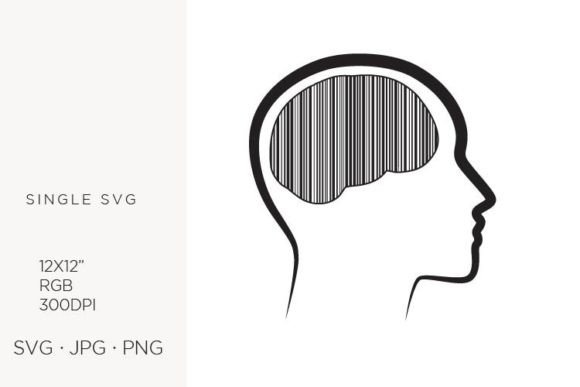
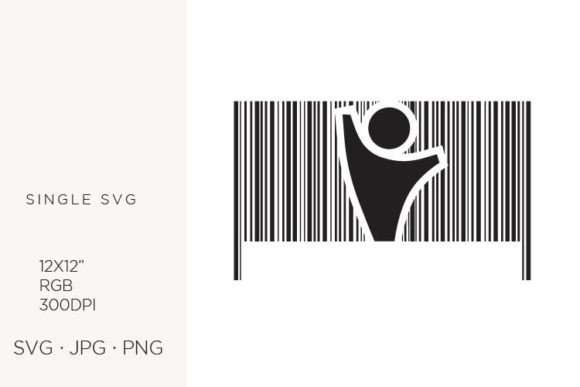
As a graphic designer who’s built brand identities for handmade businesses, Etsy sellers, and local product launches over the past 12 years, I opened Barcode, Abstract Human Figure, Vector expecting either a clever conceptual twist—or a visual trap. What I found was neither cliché nor confusing: a tightly composed, rhythmically balanced illustration where geometric precision meets organic suggestion. The barcode isn’t literal—it’s deconstructed into rhythmic vertical bars that double as limbs and contours of a stylized human form. It feels modern but not cold, abstract but still legible, minimal but full of quiet narrative.
A Mood That Fits Small Business Branding—Not Corporate Pitch Decks
This isn’t an asset for Fortune 500 annual reports or law firm letterheads. It thrives in contexts where authenticity, craft, and subtle storytelling matter: think seasonal product drops for ceramic studios, wellness brand packaging, indie book launch posters, or Cricut-cut vinyl decals for boutique coffee shops. The abstraction invites interpretation without demanding it—making it ideal for brands that want to feel intentional but not overdesigned. I tested it against a client’s new line of reusable tote bags for a zero-waste collective, and instantly, it elevated the visual tone from “eco-friendly” to “thoughtfully human.”
Where It Shines in Real Client Projects
- Product mockups: Scales beautifully on mug, sticker sheet, and apparel templates—especially when placed off-center or layered with soft gradients.
- Social media graphics: Works powerfully in Instagram carousels and Pinterest pins where contrast and shape recognition drive engagement in under two seconds.
- Printable design & packaging detail: At 12×12 inches and 300 dpi, the JPG and PNG deliver crisp print quality; the SVG allows seamless resizing for label die-cuts or foil-stamped accents.
- Canva templates & Cricut projects: Clean vector paths mean no jagged edges when resized or converted to cut files—critical for sublimation design or iron-on transfers.
- Editorial design & blog visuals: Adds conceptual weight to articles about identity, data privacy, or human-centered tech—without needing explanatory captions.
Where to Use It With Intention—Not Default
Don’t drop Barcode, Abstract Human Figure, Vector into small UI icons, app navigation, or tiny favicon spaces—it loses its nuance at under 48×48 px. Avoid pairing it with ultra-minimalist serif typography or corporate blue palettes; its warmth and implied movement clash with rigid formality. In crowded layouts—like multi-product Etsy banners or dense trade show signage—it can compete rather than complement. And while it reads well on light backgrounds, test carefully on mid-tone or textured substrates: the barcode rhythm fades if contrast dips below 60%.
Design Judgment Calls You Can’t Skip
Before locking it into a client’s brand identity system, I always run these checks:
- Test in black and white: Does the figure retain shape integrity? (It does—good sign for reproducible print assets.)
- Preview on real mockups: Not just digital previews—print a 4×4 inch swatch on actual kraft paper and matte sticker stock.
- Check transparency: The PNG includes alpha channel—essential for clean sticker design and layered web graphics.
- Verify SVG editability: Opened cleanly in Illustrator; anchor points are logical, strokes are unified—not grouped chaos.
- Font pairings: Holds its own beside geometric sans-serifs (like Montserrat), contrasts elegantly with expressive script fonts, but overwhelms delicate handwritten styles.
- Licensing clarity: Confirmed commercial license covers resale in digital products, print-on-demand, and physical merchandise—no attribution required.
How It Shapes Audience Perception
Used well, Barcode, Abstract Human Figure, Vector subtly reinforces trust through visual intelligence—not gimmickry. It signals that a brand understands both data and humanity, structure and soul. For a handmade business, that duality reads as thoughtful curation. For a content creator launching a newsletter on digital wellbeing, it becomes a quiet visual thesis. It doesn’t shout—but it lingers. That’s rare in today’s oversaturated creative marketplace, where many clipart-style illustrations sacrifice meaning for speed.
A Practical Fit for Your Next Creative Design
If you’re building a visual language for an Etsy product, designing social media graphics for a local festival, preparing t-shirt designs for a craft fair, or developing packaging for a small-batch skincare line, this graphic design asset earns its place—not as filler, but as functional symbolism. It bridges the gap between conceptual illustration and usable design bundle. It’s not a logo on its own, but it strengthens logo systems. It’s not a standalone campaign, but it anchors campaign visuals with cohesion. And because it ships in SVG, JPG, and PNG—each optimized for its purpose—it moves fluidly across print, web, and physical making environments.
Bottom line: Barcode, Abstract Human Figure, Vector is a quietly confident creative asset. It won’t solve every branding challenge—but for the right handmade business, digital seller, or editorial project, it adds polish, personality, and professional resonance where it counts most.